
Many homeowners are surprised to learn their home may contain aluminum wiring.
Aluminum branch wiring was commonly used in some homes during the late 1960s and early 1970s, particularly when copper prices increased. Today, aluminum wiring can still be found in many older homes throughout Colorado Springs, Monument, Falcon, Peyton, and surrounding communities.
That does not automatically mean the home is unsafe. However, aluminum wiring systems do require proper installation, approved connections, and ongoing inspection.
At Gaddie Electric, we regularly help homeowners identify aluminum wiring concerns and evaluate existing electrical systems. Here are some common signs your home may have aluminum wiring and what homeowners should know about maintaining these systems safely.
Aluminum Wiring Looks Different Than Copper Wiring
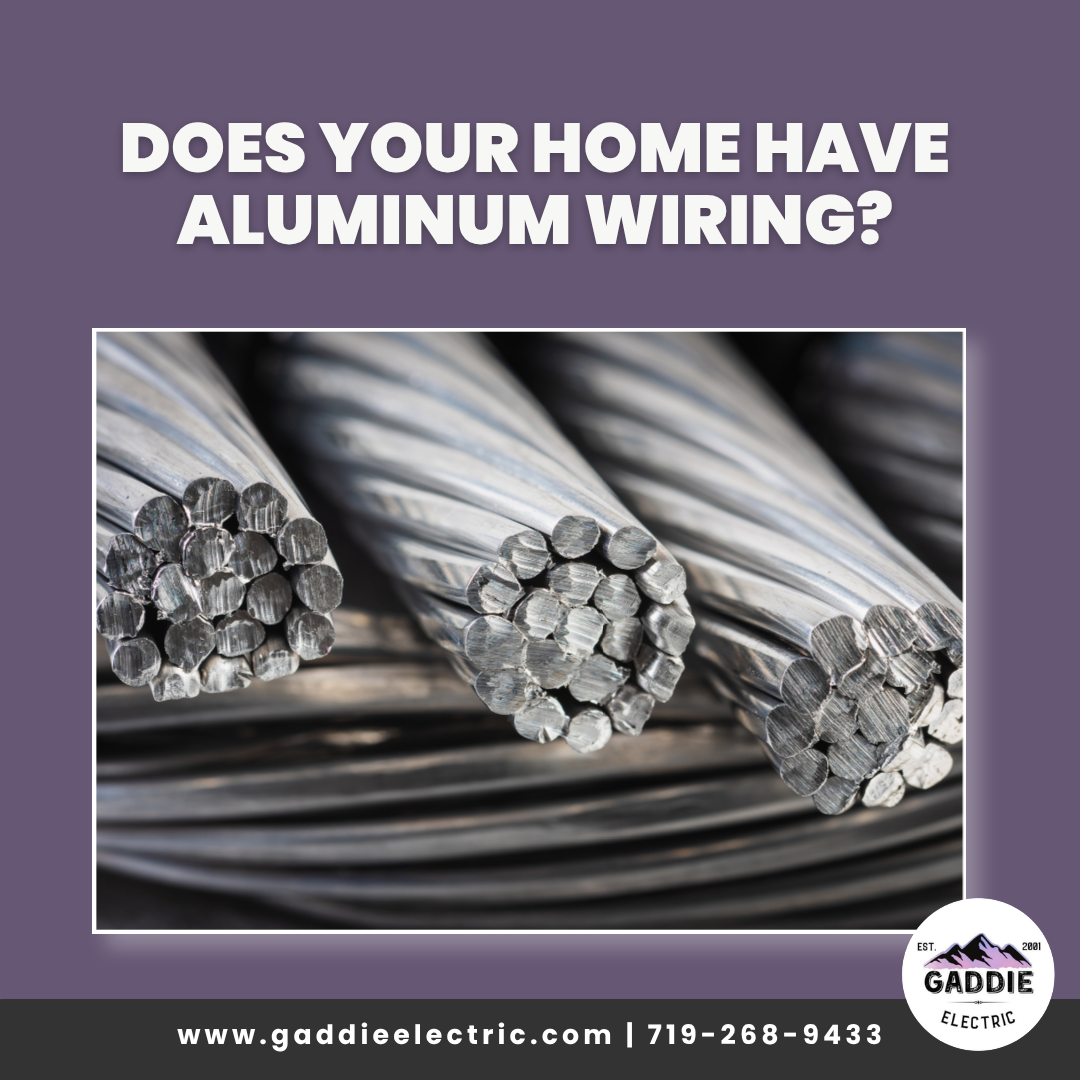
One of the easiest ways aluminum wiring can sometimes be identified is by the wire color itself. Copper wiring has the familiar copper appearance most homeowners recognize, while aluminum wiring is silver in color.
In some homes, the wiring may be visible near the side of breakers inside the electrical panel or at exposed wiring locations. However, homeowners should never remove panel covers or inspect energized electrical equipment themselves unless properly trained and qualified to do so safely.
Aluminum Expands and Contracts More Than Copper
One of the primary concerns with aluminum wiring is how the material reacts to heat and electrical load. Aluminum expands and contracts more than copper as electrical demand increases and decreases.
Over time, this movement can place stress on electrical connections. As connections loosen, electrical resistance may increase. In turn, this can create excessive heat buildup at outlets, switches, breakers, wire splices, and electrical panel connections.
This issue is often more noticeable with smaller aluminum branch circuit wiring commonly installed in older homes.
Hot Spots May Develop at Electrical Connections
Because aluminum wiring connections can loosen over time, electricians sometimes identify overheating areas commonly referred to as “hot spots.”
These hot spots may occur at:
- outlets
- switches
- breakers
- wire splices
- electrical panel connections
In some situations, homeowners may notice:
- warm outlets
- flickering lights
- intermittent power problems
- discoloration near outlets or switches
- unusual electrical odors
However, aluminum wiring issues are not always visible without inspection.
For this reason, many electricians recommend having aluminum wiring systems inspected periodically to identify developing connection problems before larger issues occur. In some cases, aluminum wiring systems may be recommended for inspection approximately twice per year depending on the condition of the system and prior repair history.
Ask To See Hot Spots in Person
If an inspection identifies possible hot spots, homeowners should ask the inspector or electrician to physically show them the issue whenever possible.
This helps homeowners better understand what is actually happening instead of relying only on photos or descriptions. It can also help homeowners ask questions, understand the severity of the issue, and make more informed decisions about recommended repairs.
Aluminum Wiring Should Not Be Backwired
Another important consideration with aluminum branch wiring is how outlets and switches are terminated.
Aluminum wiring should never be backwired into outlets or switches. Proper terminations and approved connection methods are extremely important when working with aluminum wiring systems.
Improperly installed devices or incorrect connection methods can increase the risk of overheating and connection failure over time.
Pigtailing and Approved Connectors May Be Used
In some situations, electricians may use pigtailing methods and special approved connectors when working with aluminum wiring systems.
Pigtailing typically involves connecting a short copper wire to the aluminum wiring using connectors specifically approved for aluminum-to-copper connections. This allows outlets and switches to connect to copper conductors instead of directly to the aluminum wiring.
However, these repairs must be completed properly using approved materials and connection methods designed specifically for aluminum wiring systems. Because aluminum behaves differently than copper, proper installation techniques are extremely important for long-term performance and safety.
Not Every Home Requires Complete Rewiring
Hearing the words “aluminum wiring” can understandably make homeowners nervous.
However, not every home with aluminum wiring automatically requires a full rewire. The condition of the wiring, the quality of the existing connections, prior repairs, and the overall condition of the electrical system all play important roles in determining what repairs or upgrades may be appropriate.
In many homes, the most important step is having the electrical system properly evaluated and maintained by a qualified electrician familiar with aluminum branch wiring systems.
Aluminum Wiring Should Be Evaluated Periodically
Homes change over time. Electrical loads increase, devices get replaced, and repairs are made throughout the years.
Because of this, aluminum wiring systems should be periodically evaluated to help identify:
- loose connections
- overheating terminations
- improper devices
- failed repairs
- damaged conductors
- developing hot spots
Addressing smaller connection issues early can help prevent larger electrical problems later.
At Gaddie Electric, we help homeowners throughout Colorado Springs and surrounding areas evaluate existing electrical systems and identify potential concerns involving aluminum wiring and electrical connections.
If you have concerns about aluminum wiring in your home, contact Gaddie Electric to schedule an inspection or request an evaluation.
Frequently Asked Questions About Aluminum Wiring
Is aluminum wiring dangerous?
Not every home with aluminum wiring is unsafe. However, aluminum wiring systems require proper installation, approved connections, and periodic inspection because aluminum behaves differently than copper wiring.
How can I tell if my home has aluminum wiring?
Aluminum wiring is silver in color, unlike copper wiring which has a copper appearance. In some homes, the wiring may be visible near breakers inside the electrical panel.
Why does aluminum wiring create hot spots?
Aluminum expands and contracts more than copper as electrical loads heat and cool the wiring. Over time, this movement can loosen electrical connections and create overheating at outlets, switches, breakers, or splices.
Should aluminum wiring be inspected regularly?
Many electricians recommend periodic inspections for homes with aluminum wiring to identify loose connections, overheating, or failed repairs before larger issues develop.
What is pigtailing aluminum wiring?
Pigtailing involves connecting a short copper wire to the aluminum wiring using approved aluminum-to-copper connectors. This allows outlets and switches to connect to copper conductors instead of directly to aluminum wiring.
Can aluminum wiring be repaired instead of fully replaced?
In some homes, repairs and approved connection methods may be appropriate instead of complete rewiring. The best option depends on the condition of the wiring system and the overall electrical installation.